
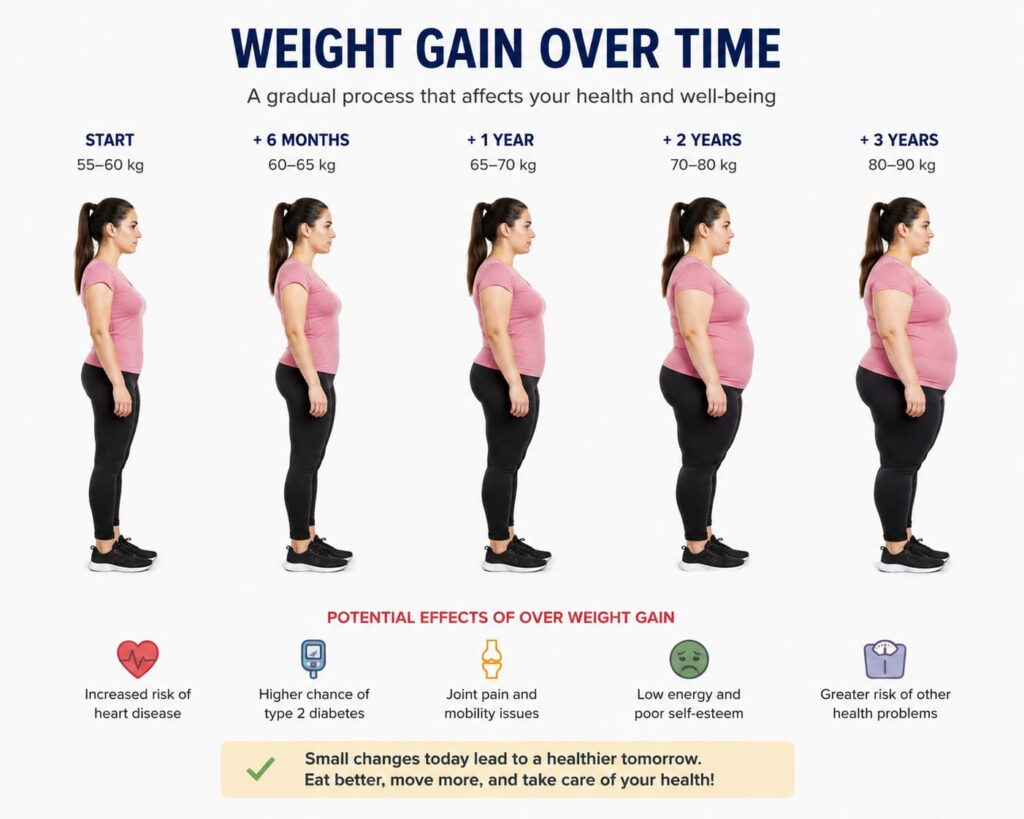
You’re eating the same. Your portions haven’t changed. Maybe you’re even trying harder than before walking more, skipping snacks, drinking more water.
So why does your body suddenly feel heavier?
When the body gains weight, body can suddenly feel heavier because your muscles, joints, and organs are carrying more mass than before. Even a small increase in weight can change how body feels during daily activities.
1.Hormonal Changes Can Affect Weight Gain
Hormones changes can affect the body in different ways, controlling metabolism, appetite, energy use, and fat storage. When hormonal balance is interrupt through conditions such as thyroid dysfunction, insulin resistance, PCOS, or prolonged stress the body’s natural metabolic processes can change significantly. These changes may slow calorie burning, increase fat storage, alter hunger signals, or cause fluid retention even when eating patterns remain unchanged.
Menstrual cycle changes
During the menstrual cycle hormones like progesterone and estrogen will change.
Estrogen is one of the most important hormones in a woman’s body. It helps balance the menstrual cycle, reproductive health, metabolism, mood, bone strength, and fat distribution. When estrogen levels become too high or too low, the body may start showing physical and emotional changes, including weight gain, bloating, fatigue, and changes in appetite. Healthy estrogen levels help the body maintain a balanced metabolism. When the estrogen level fluctuate, body started to storing more fat, especially around the abdomen, hips, and thighs. When the estrogen level high then there is a formation called estrogen dominance. Beacause of that body holds more water and starts to bloat and cause temporary weight gain.
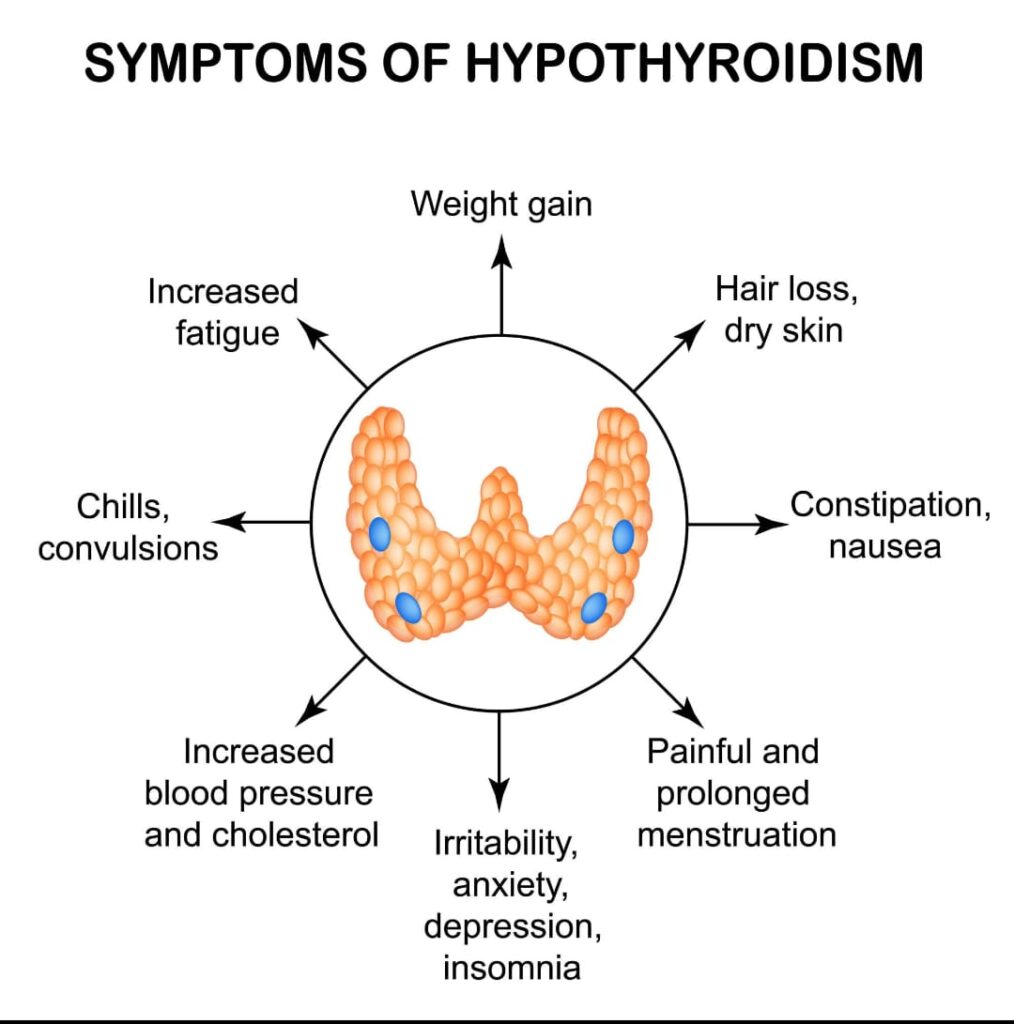
The thyroid gland controls metabolism. When thyroid hormones become low, a condition called hypothyroidism can occur. The thyroid gland produces two important hormones called thyroxine (T4) and triiodothyronine (T3). These hormones help regulate the body’s metabolism, which is the process of converting food into energy. When thyroid hormone levels become low, the body’s metabolic processes slow down. This condition is called hypothyroidism.
In hypothyroidism, the thyroid gland does not produce enough T3 and T4 hormones. several body functions begin slowing down. Low thyroid hormone levels body burns fewer calories even while resting. Scientifically, thyroid hormones normally stimulate mitochondria, the energy producing parts of cells. When hormone levels drop:
2.Stress and Unexpected Weight Gain
When you feel stressed for a long time, your body releases a hormone called cortisol. This hormone affects how your body uses energy, stores fat, and controls hunger. when body experiences stress the brain shows the natural response. During this process, the adrenal glands release a hormone called cortisol, which is known as the main stress hormone. Cortisol is helpful for short term stress because it gives the body quick energy to react to danger or pressure. But when stress continues for weeks or months, cortisol levels can remain high for a long time. This can begin affecting metabolism, appetite, sleep, and body fat storage. because of cortisol hunger increases. because of eating more foods temporarily increases dopamine, a chemical linked to pleasure and comfort, which is why emotional eating becomes common during stressful periods.
Insulin is a hormone produced by the pancreas that helps move glucose (sugar) from the bloodstream into the body’s cells, where it is used for energy. After eating, blood sugar levels rise, and insulin helps keep those levels balanced. In many women with PCOS (Polycystic Ovary Syndrome), the body’s cells do not respond properly to insulin. This condition is called insulin resistance. Excess insulin encourages the body to store energy as fat rather than burn it. Stimulates fat storage in adipose tissue, reduces fat breakdown (lipolysis), Increases glucose conversion into fat.
3.Poor Sleep Can Disrupt Metabolism
Sleep is not just a time for rest, it is essential for maintaining hormonal balance and overall body regulation. When you consistently do not get enough quality sleep, the body’s natural systems can become disrupted in ways that directly affect weight. Lack of sleep can alter important hunger hormones such as ghrelin and leptin, which help control appetite and fullness. When the sleep decreases gherlin level increases and leptin level decreases. Because of high cortisol level body store more fat. Chronic lack of sleep may even slow down metabolism, meaning the body burns fewer calories while resting. Over time, this combination of hormonal imbalance, increased hunger, stress, low energy, and slower metabolism can make maintaining a healthy weight much harder.
Ghrelin : the hungry hormone.
It is released when your stomach is empty and tells your brain: “please eat something”
Leptin : the full hormone.
It is made by body fat cells and tells your brain: “You’ve eaten enough, stop now.”
4.Water Retention May Cause Temporary Weight Changes
A sudden increase in body weight does not always indicate fat accumulation. In some cases, the body may retain excess fluid, leading to temporary changes in weight and physical appearance. This can create sensations of bloating, puffiness, or heaviness that are often mistaken for fat gain. These changes may affect body weight quickly, but they are often temporary and related to internal balance rather than long-term fat storage.
5.Digestive Issues and Gut Health Matter Too
If your digestion is very slow, your stomach can feel tight, swollen, and uncomfortable. You might look or feel heavier, but it’s actually just bloating and gut imbalance, not real weight gain.
Sometimes the menopause also causes the overweight. As estrogen levels decrease, the body may start storing more fat around the abdomen instead of the hips and thighs. Many women notice increased belly fat during menopause even if their eating habits have not changed much. Menopause can also reduce muscle mass. Since muscle helps burn calories, losing muscle may slow down metabolism, meaning the body burns fewer calories while resting. This can gradually contribute to weight gain over time.
How to reduce overweight
Healthy weight loss usually happens slowly through simple daily habits that improve overall health. Women’s bodies are also affected by hormones, stress, sleep, and metabolism, so weight management should focus on balance instead of quick results.
Eating healthy is one of the most important steps. Women should try to include more vegetables, fruits, whole grains, protein rich foods, and healthy fats in their meals. Protein foods like eggs, fish, chicken, beans, and nuts help the body stay full for longer and reduce to eat un heathy snacks. Fiber rich foods such as oats, fruits, and leafy vegetables also help control hunger and support digestion. Avoid sugary drinks, processed snacks, and excessive fast food may help lower extra calorie intake. Eating slowly and paying attention to your food so it can also prevent overeating.
Regular physical activity helps the body burn calories and improves metabolism. Simple activities like walking, cycling, dancing, yoga, or swimming can support healthy weight loss when done consistently to reduce fat. Strength exercises are also helpful because they build muscle, and muscle helps the body burn more energy even while resting. Women do not need intense workouts every day; even small daily movement can make a difference over time.
Sleep also plays an important role in weight management. Poor sleep can increase hunger hormones, cravings, and stress levels. Women who do not sleep enough often feel more tired, eat more unhealthy foods, and have less energy for physical activity. Getting around seven to nine hours of quality sleep each night may help support healthy metabolism and better appetite control.
Stress management is equally important because long term stress increases cortisol, a hormone linked to belly fat and emotional eating. Many women eat for comfort during stress, sadness, or anxiety. Relaxing activities such as meditation, deep breathing, listening to music, spending time outdoors may help reduce stress naturally.
Drinking enough water is another simple habit that supports weight loss. Sometimes the body mistakes thirst for hunger, leading to unnecessary eating. Drinking water regularly and before meals may help control appetite and improve digestion.
Hormonal conditions like PCOS, thyroid disorders, pregnancy, or menopause can also make weight loss more difficult for some women. These hormonal changes may affect metabolism, cravings, fat storage, and energy levels. In such cases, proper medical guidance can help identify the underlying cause.
Healthy weight loss takes time, and small consistent habits are usually more effective than extreme diets. Crash dieting, skipping meals, or trying quick weight loss methods may slow metabolism and make the body weaker. Focusing on long term healthy habits, better energy, improved sleep, and overall well being is more important than trying to lose weight very quickly.
Your body often responds better to care than control.