

Many people believe that iron deficiency only causes simple tiredness, but the reality is much more complex. Iron plays an important role in helping body produce hemoglobin, a protein in red blood cells that carries oxygen throughout the body. When the iron levels become low, the organs, muscles, and even brain may not receive enough oxygen to function properly. This can lead to a wide range of symptoms that often develop slowly and quietly over time. Some people also experience hair loss, pale skin, headaches, cold hands and feet.
Symptoms of Iron deficiency
1. Sleep That Doesn’t Recharge in Body
This is not normal tiredness . Feel constantly drained, even after sleeping well. Simple tasks can feel tiring, may wake up still exhausted, need frequent naps and experience low energy throughout the day. This fatigue is usually deep, ongoing, and doesn’t improve easily with sleep.
2. Loss of natural glow
The reduced the oxygen delivery to skin tissues, cell metabolism slows down, and the skin appears less vibrant. This reduced oxygenation can make the skin look dull, ashy or less radiant because new skin cells are not refreshed efficiently. In addition, poor iron levels can reduce collagen support indirectly, affecting skin texture and brightness. The skin loses its natural healthy glow and may appear tired or pale even without external skin problems.
3. Light Exertion Causing Breath Discomfort
Hemoglobin carries oxygen from the lungs to tissues, lower levels mean less oxygen is delivered to muscles and organs. The light activity, your body suddenly needs more oxygen, but the supply is limited. To compensate, your breathing rate increases, and your heart works faster, which creates the feeling of breath discomfort or getting “out of breath” quickly. Out of breath -refers to a condition called dyspnea, which is the subjective feeling of difficulty or discomfort in breathing. It happens when there is an imbalance between the body’s oxygen demand and the oxygen supply or carbon dioxide removal. During this state, the respiratory system increases breathing rate and depth to compensate, but the sensation of inadequate air intake or effortful breathing is still felt.

Signs
- •Breathless during normal activity
- •Tired while walking
- •Heavy chest sensations during exercise
- •Even mild activities can suddenly feel harder.
4. Irregular Heartbeat Sensation
The irregular heartbeat sensation is a disturbance in the heart’s electrical conduction system. The heart normally beats in a regular rhythm due to electrical signals generated by the sinoatrial (SA) node, which controls timing and coordination of heart contractions. When this electrical signaling is disrupted, the heart may beat too fast, too slow, or in an uneven pattern. This condition is known as arrhythmia.
In cases like iron deficiency, reduced hemoglobin lowers oxygen supply to the body. The heart may work harder to deliver oxygen, which can strain the cardiovascular system and contribute to palpitations or irregular heartbeat sensations. Other causes include stress, electrolyte imbalance, dehydration, and heart-related disorders.
Arrhythmia is a condition where the heart beats in an abnormal rhythm due to problems in its electrical system. Normally, the sinoatrial (SA) node, which acts as the heart’s natural pacemaker, controls a steady and regular heartbeat. When this system does not function properly, the heart may beat too fast, too slow, or in an irregular pattern. This condition can be classified into types such as tachycardia (fast heartbeat), bradycardia (slow heartbeat), or irregular rhythm. Because the heartbeat is not properly coordinated, it can reduce the efficient flow of blood and oxygen throughout the body. As a result, a person may experience symptoms like palpitations, dizziness, shortness of breath, or general weakness.
5. Brain Fog and Poor Concentration
Brain fog is a term used to describe a feeling of mental confusion, slow thinking, and reduced clarity of thought. Poor concentration means difficulty focusing on tasks, remembering information or staying mentally alert.
One common reason for this is reduced oxygen delivery to the brain. In conditions like iron deficiency, hemoglobin levels drop and less oxygen reaches brain cells. The brain needs a constant supply of oxygen and glucose to function properly, any reduction can slow down brain activity.
A person may feel forgetful, mentally tired, distracted or unable to focus for long periods. Tasks that normally feel easy, like studying or working, may suddenly feel harder and slower.
To Improve the Iron Absorption
Pair Iron with Vitamin C
Vitamin C greatly improves the absorption of non-heme iron (plant-based iron). It converts iron into a form that is easier for the intestines to absorb.
Good combinations:
Avoid Tea and Coffee During Meals
Tea and coffee contain compounds called tannins and polyphenols, which can bind to iron and reduce its absorption.
Include Protein in Your Diet
Protein-rich foods support healthy blood cell production and improve nutrient utilization.
Example for protein available food
Egg, Fish, Chicken ,Lentils ,Dairy products
Animal proteins can also help the body absorb plant-based iron more effectively.
Why Iron Absorption Matters
- Energy production
- Oxygen transport
- Healthy hair and skin
- Brain function
- Strong immunity
Final thought
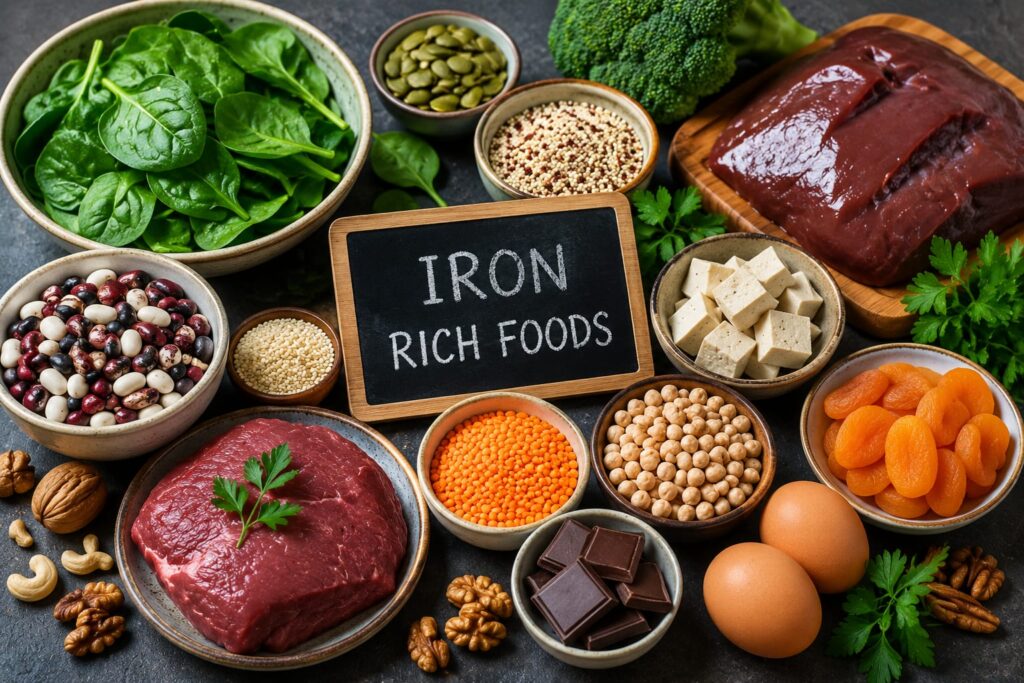
Iron deficiency is one of the most common nutritional problems, yet its symptoms are often overlooked or mistaken for everyday stress and tiredness. From constant fatigue and brain fog to hair loss and feeling cold all the time, low iron can quietly affect both physical and mental health.
Recognizing these early signs is important because the body often gives small warnings before the condition becomes severe.
Eating iron-rich foods, improving iron absorption, and seeking medical advice when symptoms persist can help restore energy and overall well-being.
Taking care of your iron levels is not just about preventing weakness it is about supporting your body’s ability to function, heal and stay healthy every day.