

Many women ignore these signs of tiredness because life is busy. We often tell ourselves that it’s just stress, work, or lack of sleep. While these can certainly affect our health, sometimes our body is simply trying to tell us that it isn’t getting the nutrients it needs.
A woman’s body goes through many changes throughout life. From the teenage years and monthly menstrual cycles to pregnancy, motherhood, and menopause, every stage increases the need for essential vitamins and minerals. Eating a balanced diet isn’t just about maintaining a healthy weight it’s about giving your body. The strength and nourishment it needs to support you every single day.
Vitamin D
One of the most important nutrients for women is Vitamin D, often called the “sunshine vitamin.” It helps the body absorb calcium, keeping bones and teeth strong while also supporting the immune system and even mood. Many women spend most of their day indoors, making Vitamin D deficiency surprisingly common. If you often feel tired, experience muscle or bone pain, or catch colds frequently, low Vitamin D could be one of the reasons
Spending some time in the morning sunlight and eating foods like fatty fish, egg yolks, and fortified dairy products can help maintain healthy levels.
Iron
Another essential nutrient is iron,
which plays a vital role in carrying oxygen throughout the body. Because women lose blood during menstruation, iron deficiency is one of the most common nutritional deficiencies among women worldwide. Low iron levels can leave you feeling constantly tired, dizzy, short of breath, and may even contribute to hair loss. Including iron rich foods such as spinach, lentils, beans, pumpkin seeds, and lean meat in your meals can help, especially when paired with vitamin C rich foods like oranges or lemons to improve iron absorption.
Vitamin B12
Vitamin B12 is another nutrient that women should never overlook. It supports healthy nerves, brain function, and the production of red blood cells. A lack of Vitamin B12 may cause fatigue, weakness, poor concentration, memory problems, or
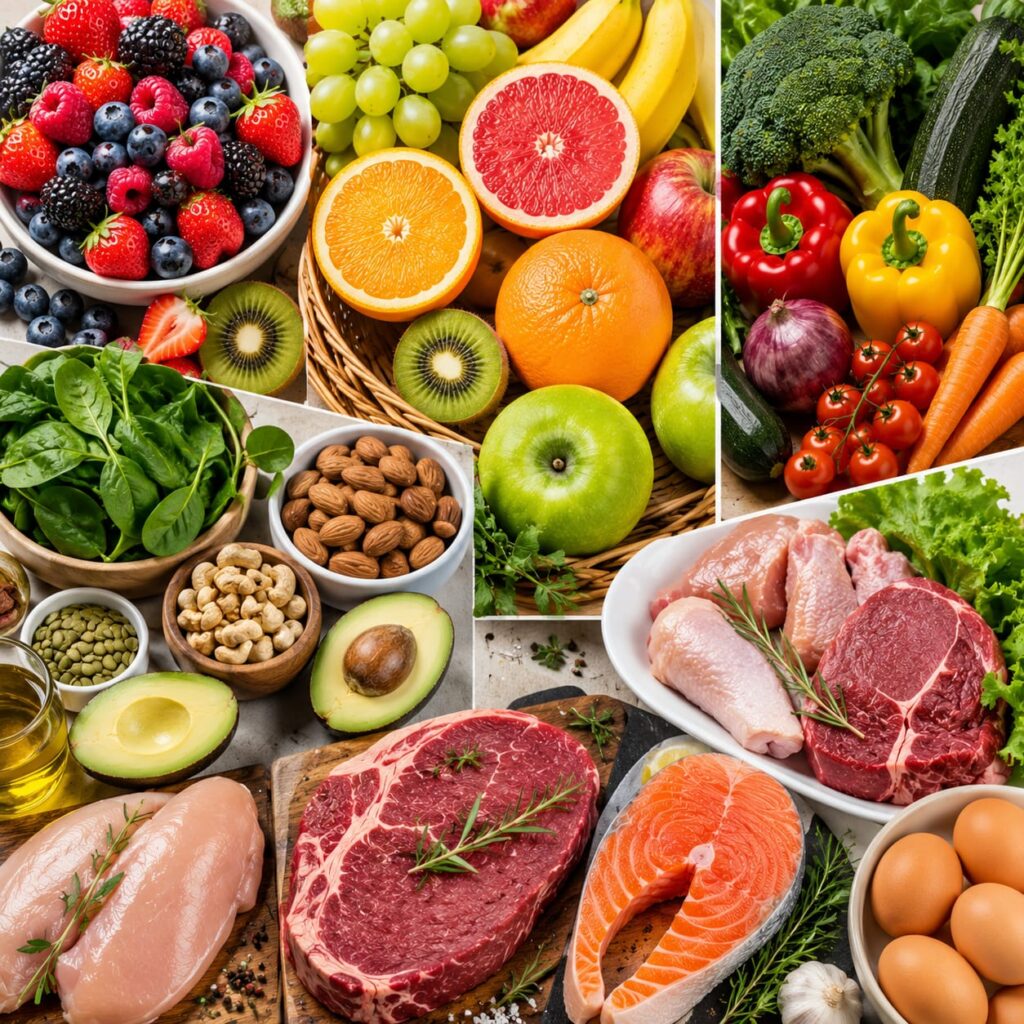
tingling sensations in the hands and feet. It is naturally found in foods such as eggs, milk, yogurt, fish, and meat. Women following vegetarian or vegan diets may need fortified foods or supplements after consulting a healthcare professional.
Folate
Folate, also known as Vitamin B9, is often associated with pregnancy, but it is important for every woman, regardless of age. It helps the body produce healthy new cells and supports the formation of red blood cells. Women who are planning a pregnancy need enough folate to support the healthy development of the baby, but everyone can benefit from including leafy green vegetables, beans, avocados, broccoli, and citrus fruits in their diet.
Calcium
Equally important is calcium, which forms the foundation of strong bones and teeth.
As women age, especially after menopause, bone density naturally begins to decrease, increasing the risk of osteoporosis. Getting enough calcium through foods like milk, yogurt, cheese, tofu, sesame seeds, and leafy green vegetables can help maintain bone health. Since Vitamin D helps the body absorb calcium, these two nutrients work best together.
Magnesium
Another mineral that often goes ignored is magnesium. It supports hundreds of important functions in the body, including muscle function, energy production, sleep, and relaxation. Women who don’t get enough magnesium may experience muscle cramps, headaches, poor sleep, fatigue, or increased stress. Foods such as almonds, pumpkin seeds, spinach, whole grains, and even dark chocolate are good natural sources of magnesium.
Our bodies are constantly communicating with us. Feeling unusually tired, losing more hair than normal, experiencing muscle cramps, brittle nails, or struggling to concentrate are not always things to ignore.
Sometimes these are reminders that your body needs better nutrition rather than simply more rest. Listening to these signals and making small improvements to your daily diet can have a big impact on your overall health. Taking care of yourself doesn’t require a perfect diet or dramatic lifestyle changes. Even simple habits, such as eating more fresh fruits, vegetables, whole grains, nuts, seeds, and protein rich foods, can help provide your body with the vitamins and minerals it needs.
If you continue to experience symptoms of a vitamin deficiency, it’s always wise to consult a healthcare professional. A simple blood test can identify nutritional deficiencies, and the right treatment can help restore your health and energy.
We women should care for our families, manage our work, and handle countless responsibilities, but we sometimes forget that our own health deserves attention too. Your body works hard for you every day, and it deserves kindness, nourishment, and care. Taking care of yourself isn’t selfish it’s one of the greatest gifts you can give yourself and the people who depend on you.